
Eu vou pra Maracangalha ê ê
Eu vou pra Maracangalha ê á
Eu vou pra Maracangalha ê ê
Eu vou pra Maracangalha ê á
Eu vou ver Besouro
Que morreu por lá
ainda hoje ele vive na crendice popular
Eu vou
Eu vou pra Maracangalha ê ê
Eu vou pra Maracangalha ê á
Eu vou pra Maracangalha ê ê
Eu vou pra Maracangalha ê á
Levo o berimbau na mão
E na mente uma canção
E no peito a saudade
De Besouro Valentão
Eu vou
Eu vou pra Maracangalha ê ê
Eu vou pra Maracangalha ê á
Eu vou pra Maracangalha ê ê
Eu vou pra Maracangalha ê á
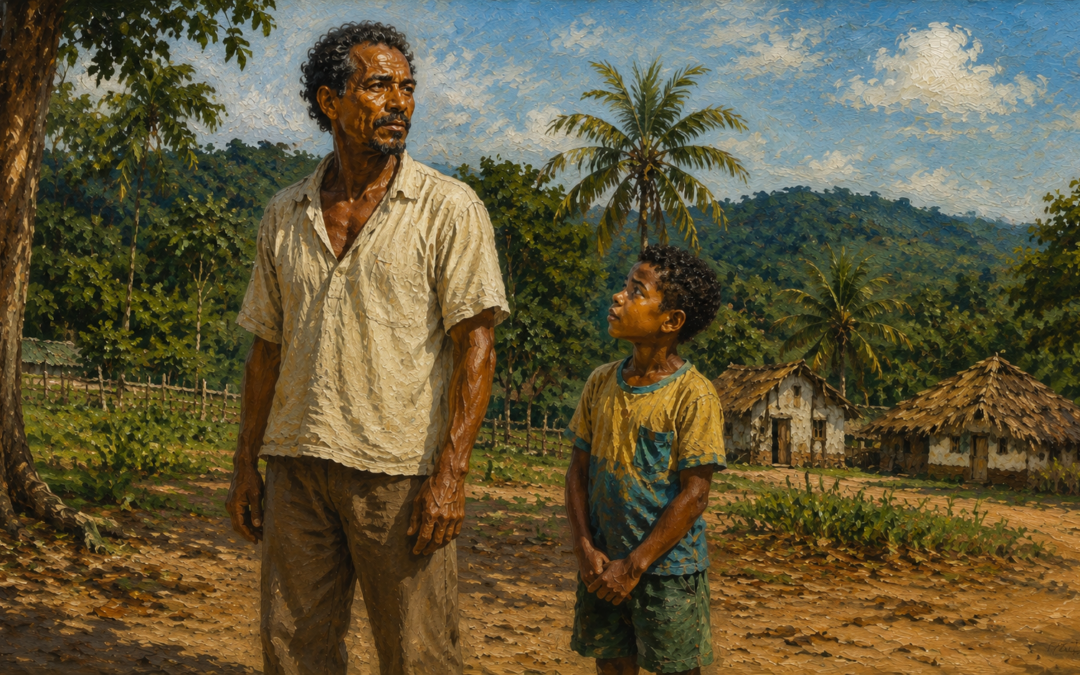
Meu filho, venha comigo
Me ajude na função
De ensinar a capoeira
E manter a tradição
Eu vou
Eu vou pra Maracangalha ê ê
Eu vou pra Maracangalha ê á
Eu vou pra Maracangalha ê ê
Eu vou pra Maracangalha ê á
Maracangalha
ê ê
Maracangalha
ê á
Maracangalha
ê ê
Maracangalha
ê á
I’m going to Maracangalha, ê ê
I’m going to Maracangalha, ê á
I’m going to Maracangalha, ê ê
I’m going to Maracangalha, ê á
I’m going to see Besouro
Who died there
yet even today he lives on in popular folklore
I’m going
I’m going to Maracangalha, ê ê
I’m going to Maracangalha, ê á
I’m going to Maracangalha, ê ê
I’m going to Maracangalha, ê á
I carry the berimbau in my hand
And a song in my mind
And in my chest the longing
For Besouro the Brave
I’m going
I’m going to Maracangalha, ê ê
I’m going to Maracangalha, ê á
I’m going to Maracangalha, ê ê
I’m going to Maracangalha, ê á
My son, come with me
Help me in this mission
To teach capoeira
And keep the tradition alive
I’m going
I’m going to Maracangalha, ê ê
I’m going to Maracangalha, ê á
I’m going to Maracangalha, ê ê
I’m going to Maracangalha, ê á
Maracangalha
ê ê
Maracangalha
ê á
Maracangalha
ê ê
Maracangalha
ê á
Did you know?
Berimbau
- The berimbau is a single-string musical bow of African origin that functions as the absolute leader and commander of the roda.
- The instrument dictates the exact speed, stylistic tone, and combat intensity of the capoeiristas through specific rhythms known as toques.
- A traditional berimbau is constructed from a wooden staff, a steel wire, a hollowed gourd resonator, a small stone or coin, a bamboo shaker, and a wooden thin stick.
- In a traditional orchestra, three distinct pitches are used: the deep-toned gunga to lead the group, the medium médio to hold the rhythm, and the high-pitched viola to improvise.
- Enslaved Africans historically used the live music of the bow to camouflage their outlawed martial art, making the training look like an innocent dance to colonial authorities.
- Today, the instrument holds a sacred status within the art, and capoeiristas show immense reverence toward it, celebrating its spiritual voice in countless traditional songs.
Besouro Mangangá
- Besouro Mangangá was born Manoel Henrique Pereira in Bahia and grew into a legendary capoeirista whose unparalleled physical feats earned him mythic status.
- His primary nickname Besouro, meaning beetle, praised his uncanny ability to evade police, while Mangangá referenced a venomous beetle to match his lethal sting.
- He was also famously known by the names Besouro Preto and Besouro Cordão de Ouro, using these aliases to hide his true identity from criminal authorities.
- Popular folklore claimed he possessed magical protection, including the power to fly away from danger and a mystical body closed against blades and bullets.
- He became a champion for the poor, frequently fighting abusive landowners and police forces to protect the rights of vulnerable Afro-Brazilian workers.
- His life ended tragically when he was ambushed and stabbed with a special wooden dagger, the only weapon believed capable of breaking his defense.
Maracangalha
- Maracangalha is a historic rural district in the state of Bahia, Brazil, deeply rooted in the history, folklore, and musical traditions of capoeira street culture.
- The area is universally famous as the final resting place of the legendary capoeira hero Besouro Mangangá, who was fatally ambushed and stabbed there in July 1924.
- In capoeira rodas, the name serves as a lyrical warning or call to action, reminding players to stay highly alert to immediate danger and deception.
- It became a central part of mainstream Brazilian pop culture through Dorival Caymmi's iconic 1957 samba song about traveling to the district in a white uniform and straw hat.
- Historically a region driven by sugarcane farms and processing mills, it is honored today with monument plaques dedicated to keeping the memory of Besouro alive.
1 Comment